Inside a Deal Flow Inbox: Why Most Triage Systems Quietly Break Down
A practical look at VC deal flow triage, why investor inboxes break down at volume, and how libraries, tags, AI summaries, and engagement context keep promising deals from disappearing.
Picture a Monday morning inbox with thirty decks in it. Some arrived through warm introductions, a few are cold, and one has been sitting since Thursday because you meant to look at it before the weekend.
This is the daily reality behind VC deal flow triage — a phrase that sounds systematic until you are the one living inside the inbox.
A typical analyst may review thousands of decks in a year to make a small number of investments. The first-pass review can take a couple of minutes, sometimes stretching to ten with a quick round of outside research. That volume makes triage, not conviction, the real bottleneck.
Analysts can spend hours every week on the manual mechanics of screening: opening files, finding the numbers that matter, and logging what they found somewhere they will be able to locate later.
None of that is a criticism of how seriously investors take the work. It is simply what volume does to attention.
Where the deal flow system actually breaks
The reading is rarely the only bottleneck. It is everything around the reading.
Decks arrive everywhere except one place
Some decks come as email attachments. Some arrive as shared links. Others are forwarded by a co-investor with three lines of context above the original message.
By the time you decide whether to take a call, you are often searching your own inbox to remember which thread contained the deck you were thinking about.
The problem is not a lack of storage. It is the lack of one reliable library where every deck lands with its context attached.
Context does not survive the gap between first look and follow-up
You open a deck, form an initial impression, and move on to the next fifteen in your queue. Two weeks later, the specific reason you were interested has faded into “I think I liked this one?”
Without a record of what stood out, that signal disappears by the time it matters. A simple note, tag, or engagement history can preserve the difference between:
- “interesting company”
- “strong retention, unclear distribution”
- “revisit after the next product milestone”
That is the kind of context that helps a second review start where the first one ended.
Warm introductions get lost in the same pile as cold outreach
Warm and cold deals should not necessarily receive the same first-pass treatment. Yet most inboxes put them in the same undifferentiated queue unless someone has created a separate process.
Source is a useful triage signal alongside sector, stage, geography, and thesis fit. If it is not visible when you review a deck, it is easy to miss the context that should influence the next action.
Spreadsheets stop being a source of truth
A tracker works well for ten open conversations. At forty, it becomes its own part-time job to maintain.
The moment it falls a week out of date, the tracker stops answering the questions you actually have:
- Which decks still need a first review?
- Which founders are waiting for a response?
- Which companies had a strong first look but no follow-up?
- Which investor or partner should see this deal next?
The issue is not that spreadsheets are bad. It is that a spreadsheet is usually disconnected from the deck, the investor context, and the activity that tells you whether anyone is still engaged.
What holds up at volume
The funds and angels who do not feel like they are constantly drowning tend to share a few habits, whether they use dedicated software or a disciplined internal process.
One place where decks land
Consolidating inbound decks into a single library is the foundation. It prevents the team from reconstructing context from email, Slack, downloads, and forwarded threads every time someone wants to revisit a company.
The library should keep the deck connected to the investor, the source, the current status, and the last meaningful activity.
Tags that reflect how you think about deals
Tags are most useful when they map to the actual thesis and workflow. Useful tag groups might include:
- stage: pre-seed, seed, Series A
- sector: fintech, healthtech, climate, SaaS
- source: warm intro, portfolio referral, inbound, cold
- status: new, reviewing, follow-up, partner meeting, passed
- priority: high conviction, needs research, revisit later
Tags make it possible to create a useful review queue without rebuilding a spreadsheet filter every time. They also make handoffs easier: another team member can understand why a deck matters before opening it.
A record of what you actually noticed
“Viewed” is not the same as “reviewed.” A useful system keeps more context around the interaction:
- whether a deck received a second look
- which pages held attention
- whether someone returned after a meeting
- what notes or questions were attached to the review
- when the last meaningful activity happened
That is the difference between “I remember this one” and actually remembering it three weeks and forty decks later.
Less mechanical extraction
Analyst time is better spent on judgment, research, and founder conversations than on copying the ARR number from page 14 into a separate document.
AI summaries can compress the first pass by surfacing the company, market, traction, business model, risks, and open questions. The investor still makes the judgment. The summary simply reduces the time it takes to orient yourself.
The best use of AI in deal flow is not to make the decision for you. It is to make the relevant context available before the next decision point.
Why investor engagement context matters
An investor workspace should make it easier to tell the difference between a deck that was opened once and a company that is actively being considered.
Signals such as revisits, time spent, page-level attention, saved decks, tags, and notes create a more useful picture of engagement than a single open event.
That context helps investors decide what to do next:
- request more information
- introduce the company to a partner
- schedule a first call
- wait for a milestone
- pass with a clear reason
It also creates a better founder experience. A founder should not disappear into a black box simply because their deck was one of thirty files in an inbox that Monday.
How Deckly supports deal flow triage
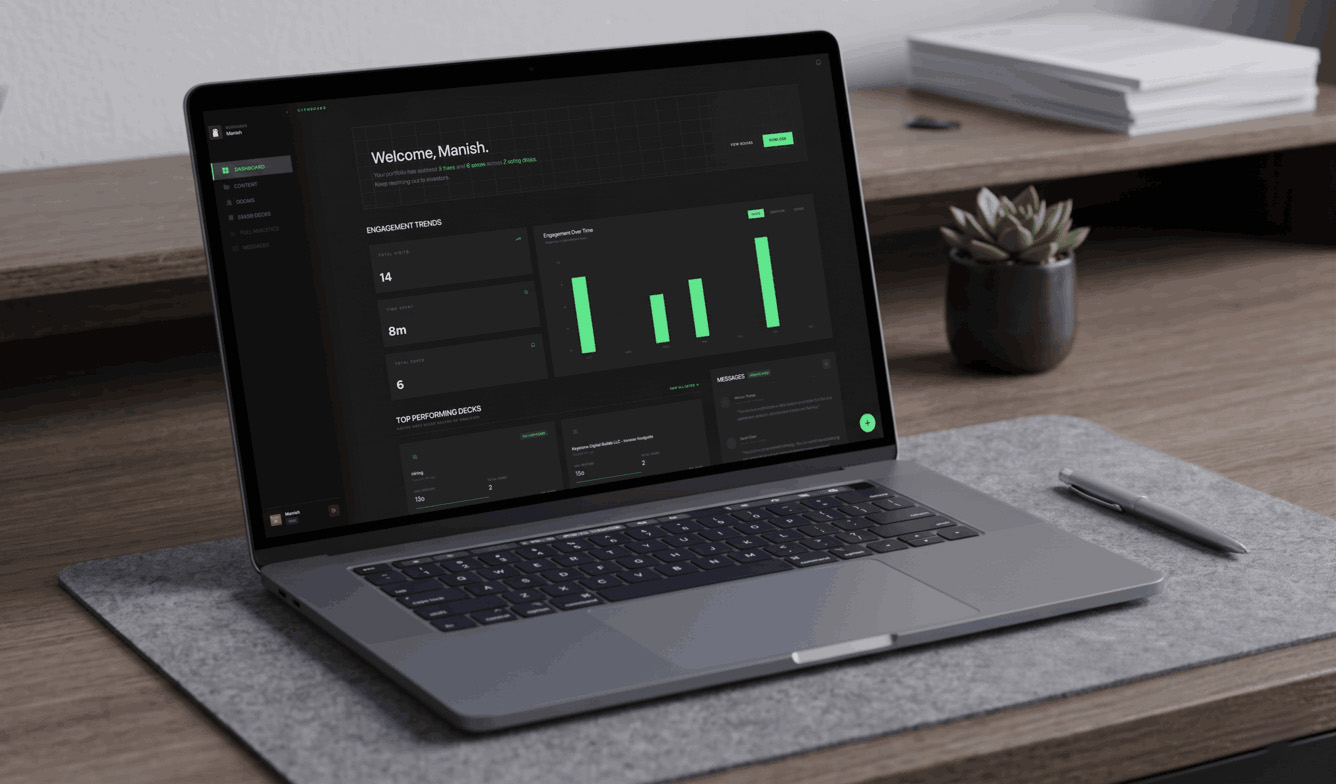
This is the problem the investor side of Deckly is designed around: turning scattered deck review into a more legible workspace.
A library instead of scattered attachments
Deckly gives investors one place to save and revisit decks rather than forcing them to search old email threads or local downloads.
Tags for thesis and workflow
Use tags to organize decks by stage, sector, source, status, or priority. That makes it easier to build a review queue around how your team actually thinks about deal flow.
AI summaries for faster orientation
AI summaries surface the main points of a deck or document so investors can understand the opportunity faster. They are especially useful when the queue is full and every first pass begins with the same basic questions.
Activity history for real context
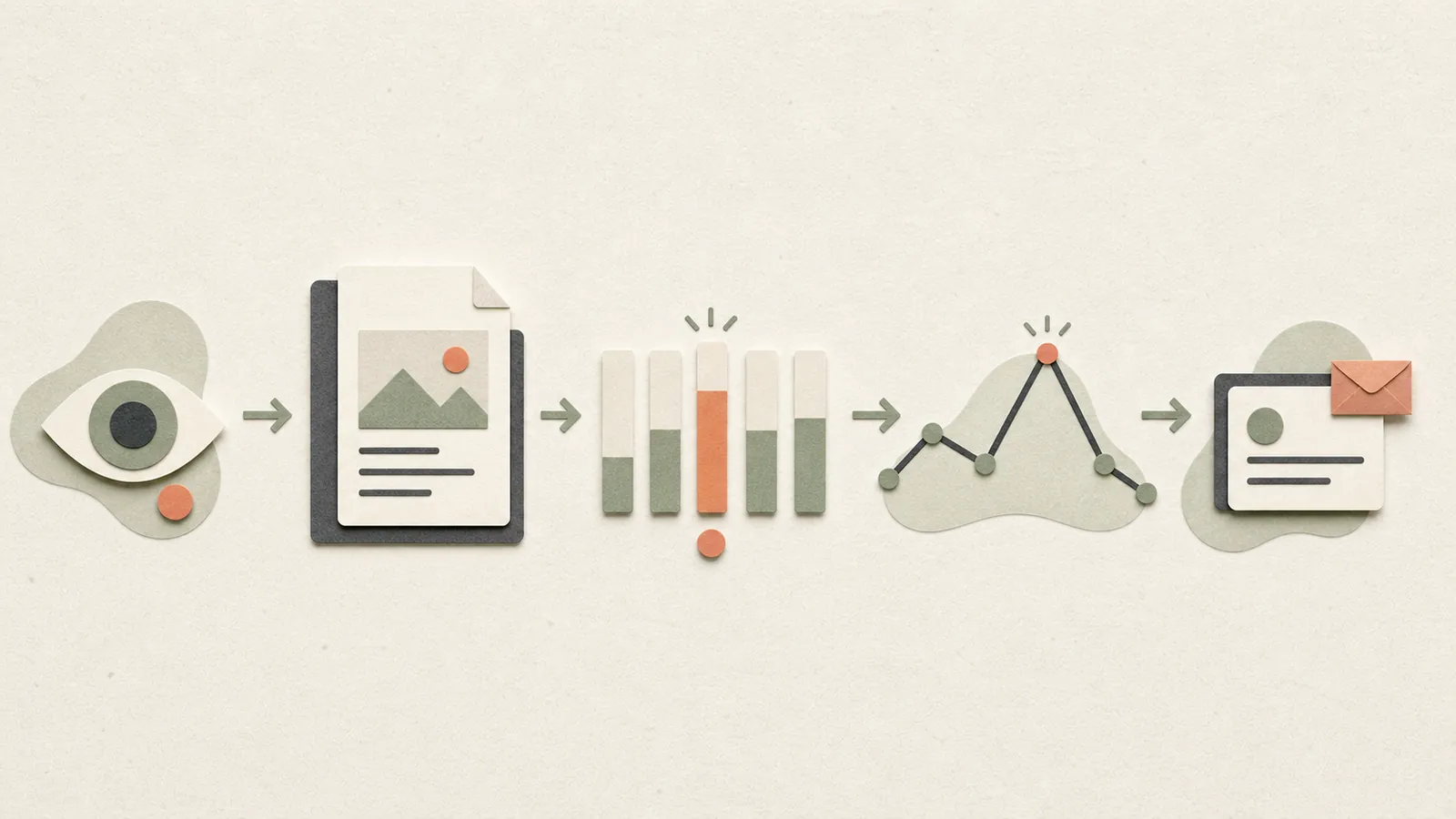
Revisits, time spent, page-level attention, saved decks, and notes help preserve what happened after the first open. That makes follow-up more deliberate and reduces the number of deals that vanish simply because nobody remembered where the conversation stopped.
A connected founder-investor workflow
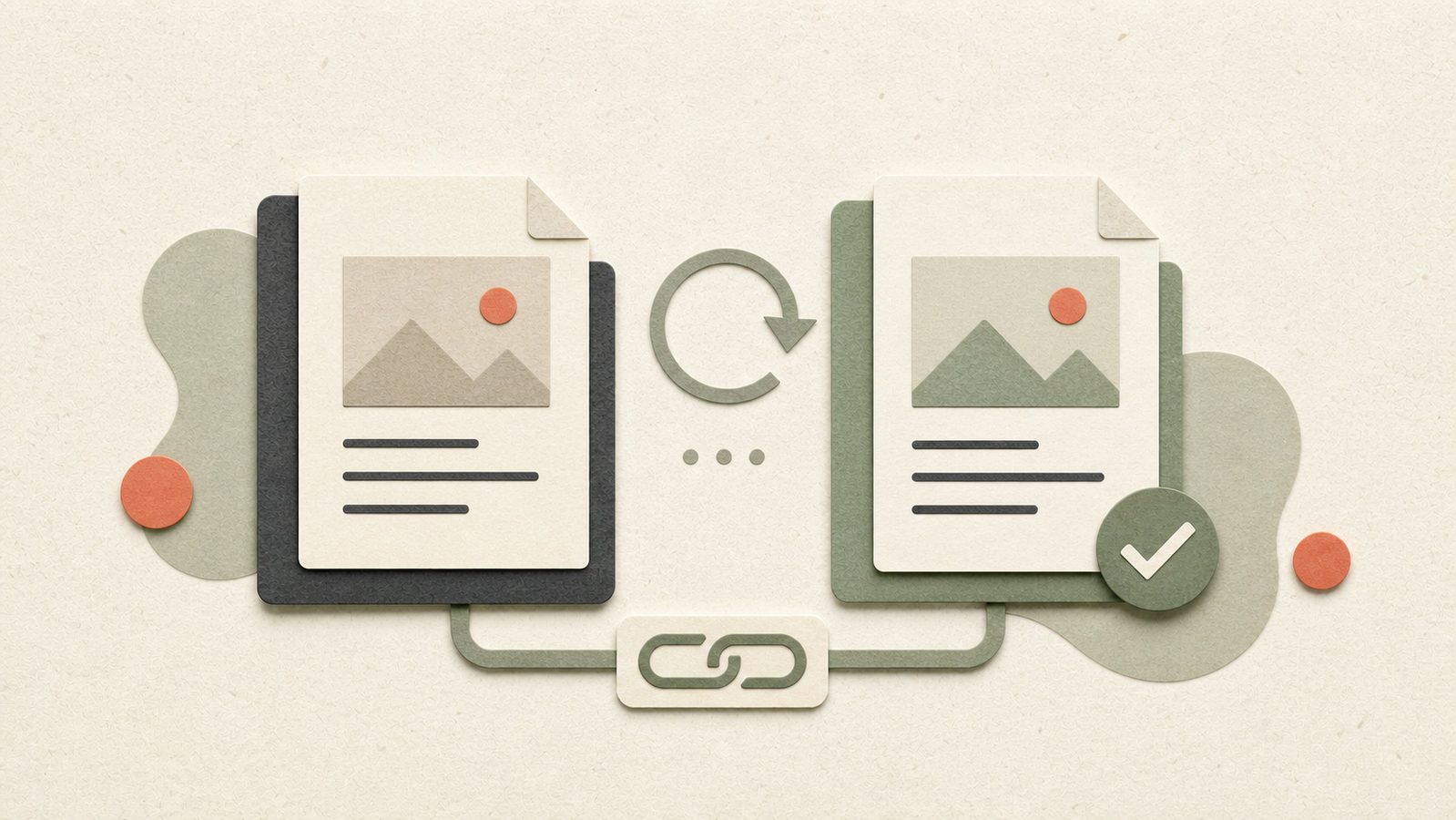
Founders can share a current deck, maintain data rooms, and update documents without creating a new version maze. Investors get a cleaner way to review, organize, and return to the material they receive.
The goal is not to remove judgment from investing. It is to remove enough mechanical friction that judgment has a chance to happen at the right time.
A simple deal flow triage framework
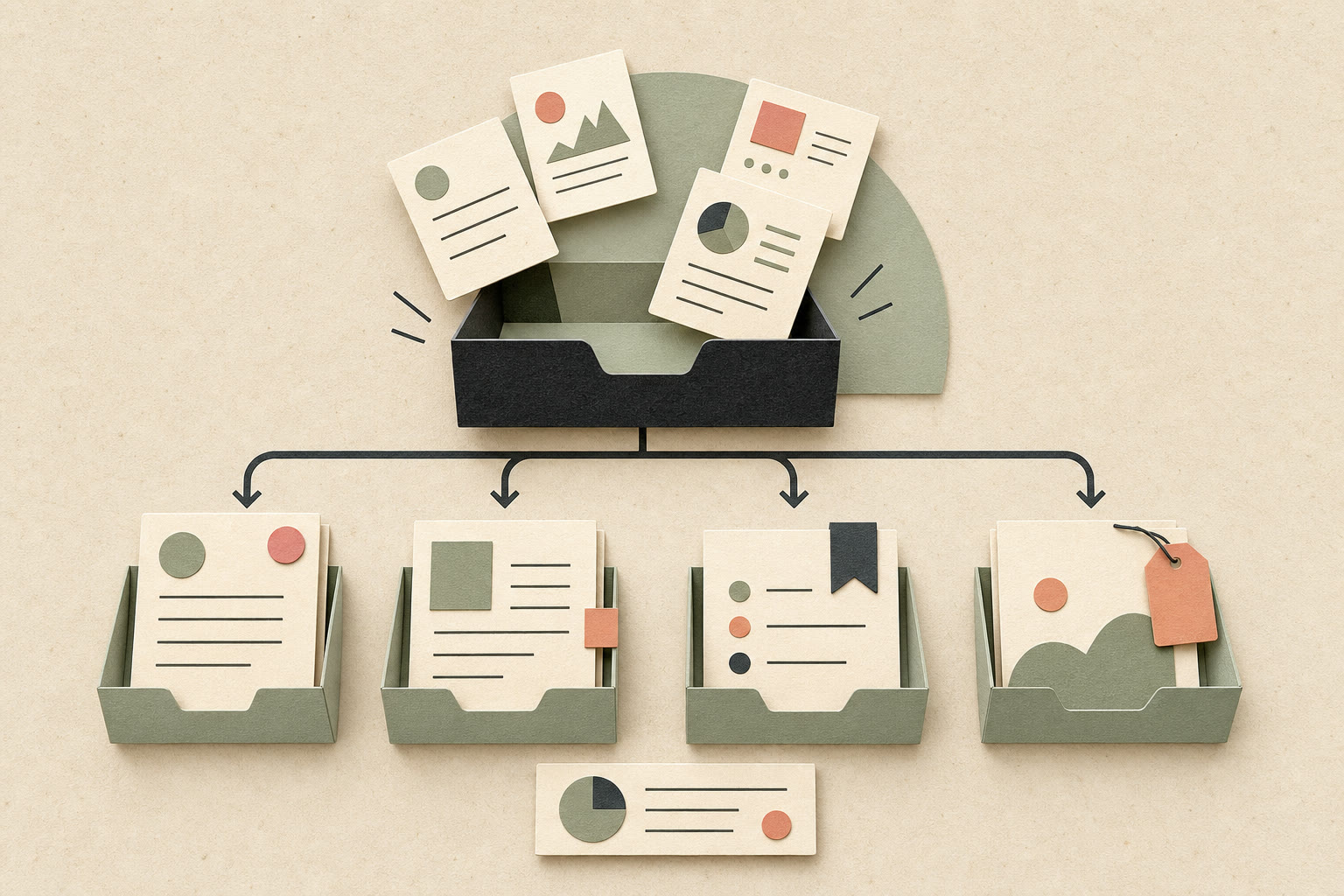
If your current process is breaking down, start with four queues:
| Queue | Question it answers | Useful signals |
|---|---|---|
| New | What has not been reviewed yet? | Received date, source, stage |
| Review | What needs a first or second look? | Notes, page attention, AI summary |
| Follow-up | Which conversations need an action? | Last activity, saved deck, status tag |
| Revisit | What should come back after a milestone? | Revisit tag, reminder, founder update |
The exact names do not matter. The separation does. It keeps “not reviewed,” “interesting,” and “waiting for more information” from collapsing into one giant inbox.
Why this matters beyond staying organized
None of this changes how selective an investor should be. It changes whether the deals that deserve a second look actually get one instead of getting lost between Thursday’s inbox and next Monday’s.
Triage is not about pretending every deck deserves equal attention. It is about making sure the right signals survive the volume so the selective decisions are based on context rather than memory failure.
FAQ
What is VC deal flow triage?
VC deal flow triage is the process of sorting, reviewing, prioritizing, and routing startup opportunities so investors can decide which companies need attention next. Good triage separates new decks from active conversations, follow-ups, and later revisits.
How do investors organize deal flow?
Investors commonly organize deal flow by stage, sector, source, status, priority, and next action. A connected library with tags, notes, activity history, and review context is easier to maintain than a spreadsheet that is separate from the underlying decks.
Why do VC deal flow systems break down?
They break down when decks are scattered across inboxes, context is not recorded, warm introductions look like cold outreach, and the tracker falls out of date. Volume exposes every gap in the workflow.
How can AI help with deal flow?
AI summaries can surface the main points, metrics, risks, and open questions in a deck so investors spend less time on mechanical extraction. AI should support review and orientation, not replace investment judgment.
What tags should investors use for deal flow?
Start with tags that affect your next action: stage, sector, source, status, priority, and revisit timing. Add more only when they help the team find or route deals faster.
What is the difference between a deal flow inbox and an investor workspace?
An inbox is primarily a place where opportunities arrive. An investor workspace adds organization, saved context, tags, summaries, activity history, and follow-up workflows so opportunities can be reviewed and revisited without disappearing into email.
The takeaway
Most deal flow systems do not fail because investors lack discipline. They fail because the workflow asks people to remember too much across too many disconnected places.
One library, useful tags, AI summaries, and a real record of engagement can return time to the part of investing that cannot be automated: deciding what deserves a conversation.
Deckly gives founders and investors a shared workspace for pitch decks, data rooms, summaries, analytics, organization, and follow-up — so promising deals have a better chance of surviving the inbox.