The Fundraising Black Box: Why Raising Capital Always Feels Like Guessing
You run your company on data. So why does fundraising feel like reading tea leaves? Here's the real reason raising capital stays chaotic — and what changes when you finally have visibility.

It’s 11 PM. You’re three weeks into a fundraising sprint.
You’ve sent 60+ emails. Had a dozen calls. Updated the deck twice. And right now you’re staring at a reply from a partner at a good fund that says — “Interesting, let’s stay in touch.”
What does that mean? Is that a soft no? A maybe? Are they talking internally, or did they forget you exist?
You built a product using data. You hired using structured interviews. You run weekly metrics reviews. But fundraising? Fundraising runs on vibes.
Here’s why — and why it doesn’t have to.
1. You’re Sending Decks Into a Void
When you ship a feature, you know exactly what happens next. Mixpanel tells you who clicked, Hotjar shows where they dropped off, and your retention curve tells you whether it stuck.
When you send a pitch deck? Nothing.
You don’t know if the investor opened it. You don’t know if they spent 30 seconds on slide 2 or 8 minutes on your financial projections. You don’t know if they forwarded it to a partner or if it’s sitting unread in a Gmail tab with 4,000 other unread emails.
So you treat every lead the same — equal follow-up energy, equal urgency, equal anxiety — when in reality, some investors have already read your deck three times and some haven’t opened it once. Without that signal, you can’t tell the difference.
2. Follow-Up Timing Is a Guessing Game
You had a good first call on Thursday. When do you follow up?
- 48 hours feels eager. Maybe too eager.
- 5 days feels right. But what if they forgot?
- A week feels like you’re not that interested.
- Two weeks and you’ve definitely lost the thread.
There’s no right answer because you’re working without information. You don’t know where you are in their internal process. You don’t know if they’ve already passed, if they’re waiting on a partner meeting, or if they genuinely got buried.
So you guess. And then you second-guess the guess. And the mental load of managing that across 40 or 50 conversations simultaneously is enormous — and entirely preventable.
3. At Scale, It All Falls Apart
Five conversations are manageable. Ten is fine. But a real seed or Series A round usually means talking to 80–120 investors before you close.
At that point, your “system” starts to crack.
You have a spreadsheet that made sense in week one but now has 14 columns and color codes you invented and forgot. You have email threads buried under follow-up threads. You’re CCing yourself on things just to find them later. You’re trying to remember — was it the associate or the partner who asked for the cap table? Did you send the updated model to this fund or the old one?
It’s not a process problem. It’s an infrastructure problem. Fundraising at volume requires a system that most founders don’t have and don’t have time to build.
4. Your Deck Has Six Different Versions and You’re Not Sure Which One They Have
You updated the market size slide after a founder friend pointed out a better data source. You fixed a typo on the team page. You added the new MoM growth number after a strong August.
Each update is small. But now you have Deck_Final_SEND.pdf, Deck_Final_v2_NEW.pdf, and Deck_Aug_Updated_FINAL.pdf living in various inboxes — and you genuinely don’t know which version a given investor is looking at.
This matters more than it seems. If an investor pulls up your deck for a partner meeting and it has outdated numbers, that’s the version they’re going to ask questions about. You’ll be explaining changes to a version of your story you’ve already moved past.
The Real Cost
None of this is just annoying. It’s expensive in ways that actually affect outcomes.
Every hour you spend managing follow-up anxiety is an hour not spent on the product. Every deal you misjudge because you didn’t know an investor was actively re-reading your deck is a warm lead you treated like a cold one. Every partner meeting where an investor pulls up an old version of your deck is a trust signal you didn’t mean to send.
Fundraising is the highest-stakes sales process a founder will ever run. And most founders run it with less infrastructure than they’d use to track a basic marketing funnel.
What Deckly Does About This
We built Deckly to replace the guesswork with actual information.
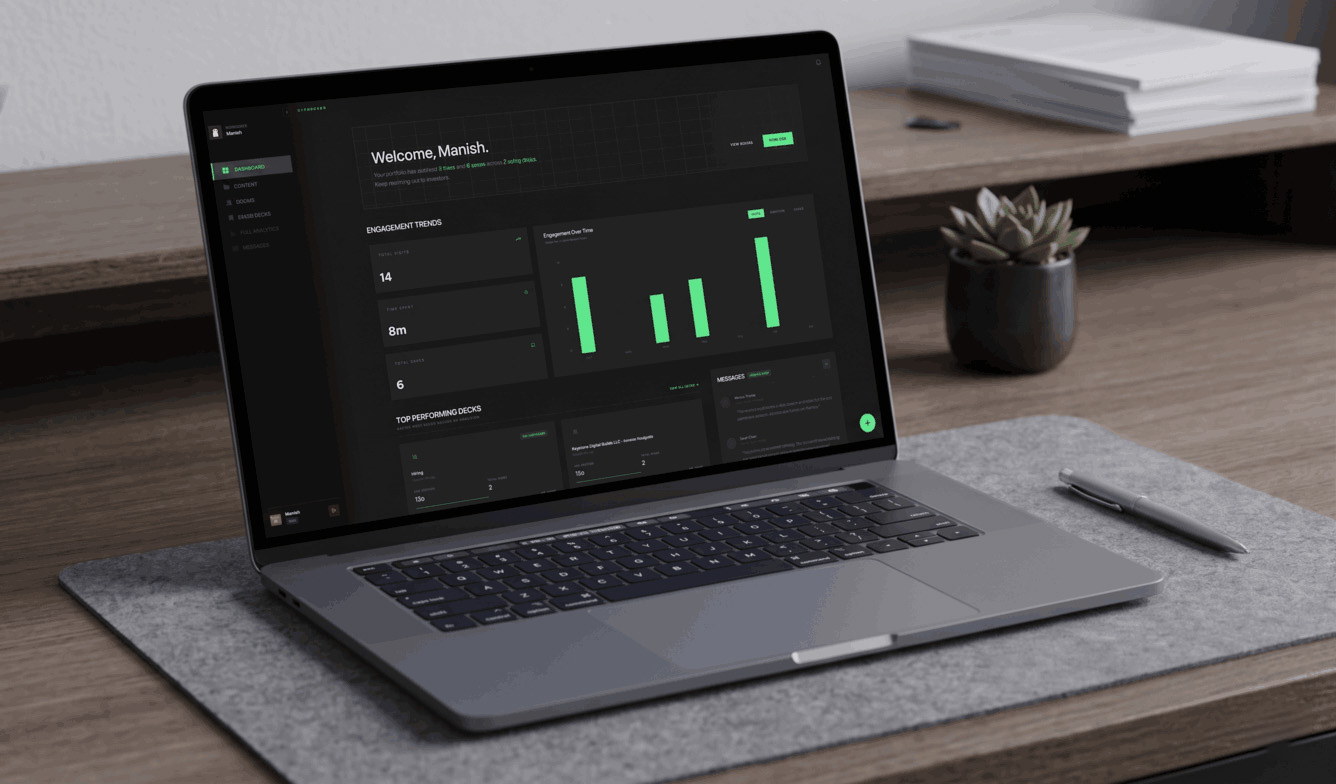
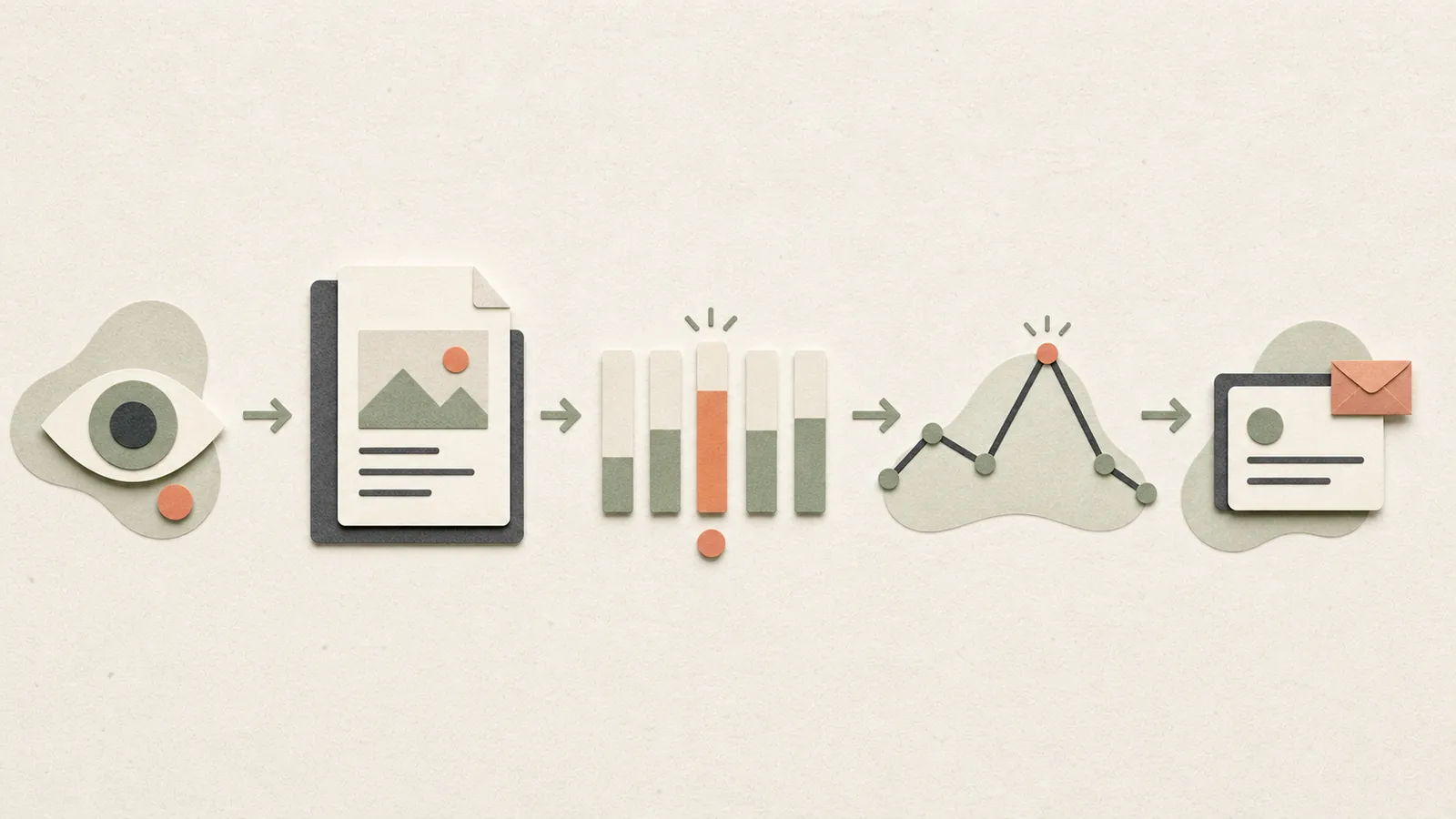
When you share your deck through Deckly, you get real engagement data — who opened it, which slides they spent time on, whether they came back for a second look. You always know which investors are warm and which ones have gone cold, without having to guess.
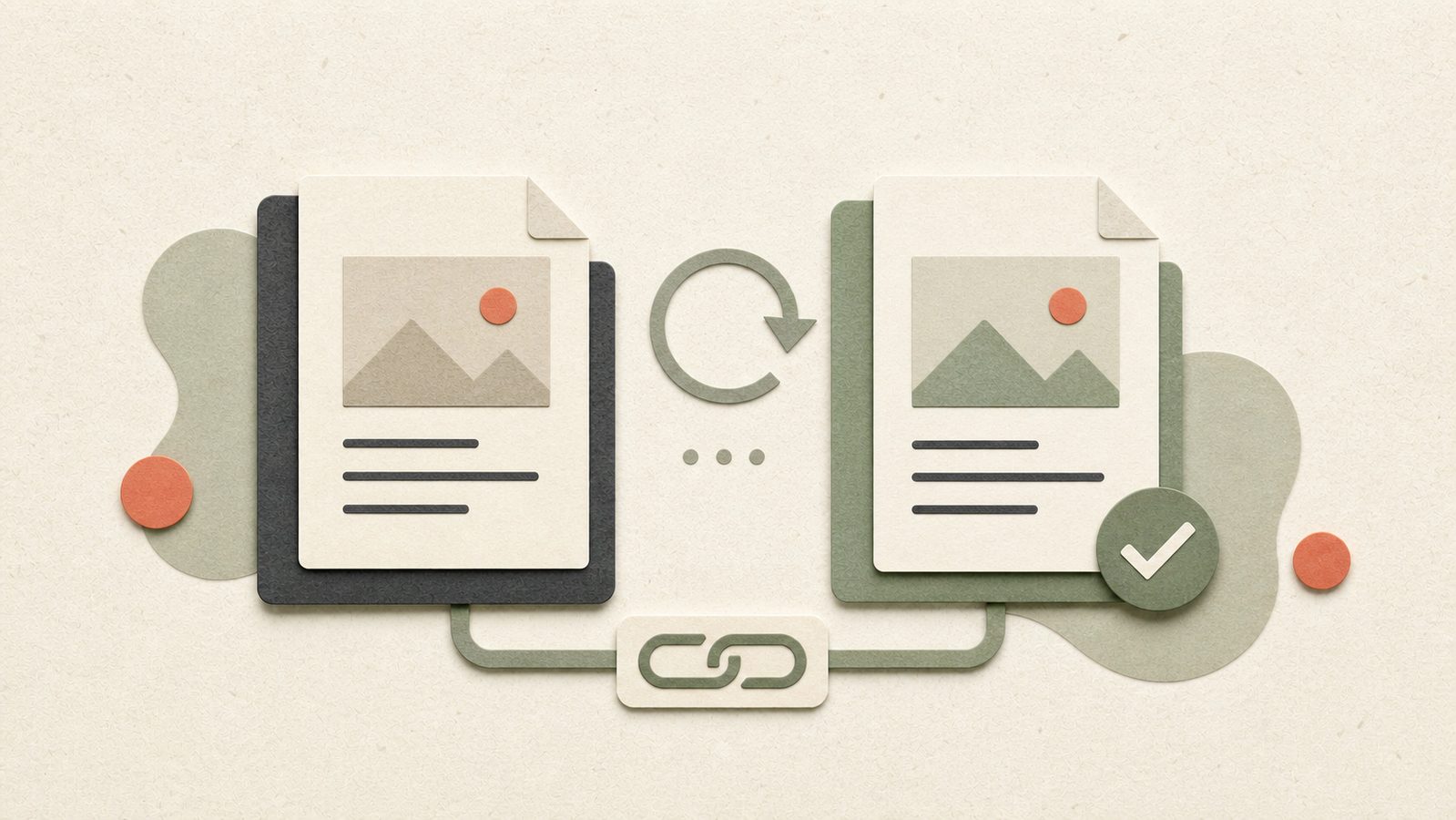
Your deck lives at a single link. When you update it, every investor who has that link sees the new version automatically. No resending. No version confusion. No more wondering if they have the right numbers.
And your investor pipeline lives in one place — organized, trackable, without the spreadsheet sprawl.
Fundraising will always be hard. It doesn’t also have to be this chaotic.